Past practices, present tables
Tradition is not a single recipe.
Nordic food traditions developed across varied landscapes and communities. Coastal settlements, islands, farms, forests and cities have different ingredients and routines. A broad regional label can be useful, but it should not flatten the differences between Denmark, Sweden, Norway, Finland and Iceland—or between local communities within each country.
Seasonal change has long influenced how food is gathered, grown, stored and shared. Preservation offered practical ways to keep food available beyond a short harvest or fishing period. Today, those methods may appear at home, in everyday products or as carefully considered elements in contemporary restaurant cooking. Their setting changes, but the relationship between time and flavor remains.
Preserving for the months ahead
Pickling, salting, drying, smoking and fermentation can extend the life of ingredients and create distinctive flavors. These practices are not unique to northern climates, but preservation has particular practical value where harvest seasons and fresh supply vary across the year. Methods differ by ingredient and place; there is no single Nordic preservation technique.
Fermentation uses microbial activity to transform food and develop flavor. Pickling usually describes preserving food in an acidic liquid, though everyday language can be broader. Smoking exposes food to smoke as a method of preparation and flavoring. Curing uses salt or other processes to change texture and help preserve. These terms are related in everyday conversation but do not mean the same thing.
Modern chefs may draw on preservation for acidity, depth or contrast. A preserved ingredient can bring a seasonal memory into a new dish, but the restaurant interpretation should not be mistaken for a complete account of a tradition. Ask what a preparation does for the food as well as where the idea comes from.
Rye and the everyday importance of bread
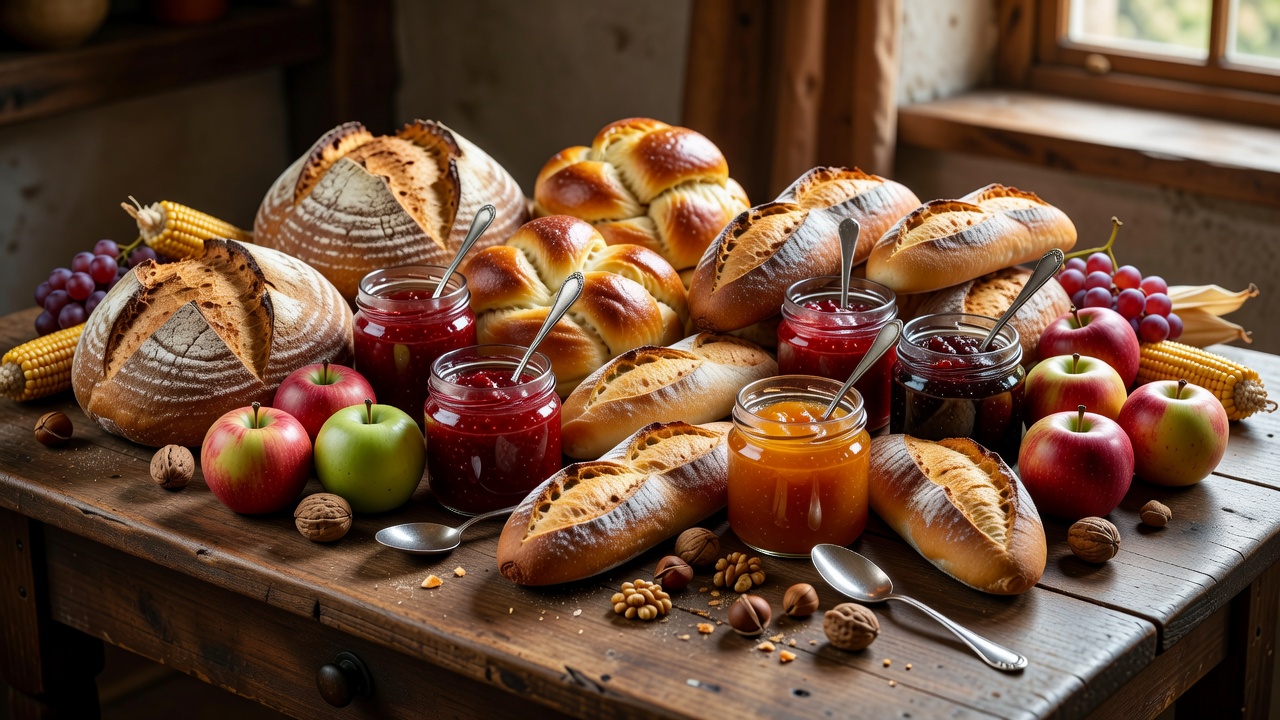
Bread is a daily food in many Nordic settings, with rye a significant grain in several baking traditions. Rye loaves can be dense or airy, mild or tangy, and their form varies. Bread accompanies meals, carries toppings and can be a meal in itself. A bakery counter is therefore an approachable place to encounter local food habits.
Wheat, oats, barley and other grains also belong to the region’s wider food vocabulary. Modern bakers experiment with flour, fermentation and texture, while familiar everyday breads remain part of ordinary routines. It is useful to distinguish a restaurant’s contemporary bread course from the long, varied practices of home and community baking.
Seafood and ways of keeping it
Seafood traditions reflect the presence of coasts, rivers and islands, but they vary widely. Fish may be salted, smoked, dried, pickled or prepared fresh, depending on place and purpose. These methods can be practical, culturally meaningful and flavorful. A menu’s use of preserved seafood may reference those histories, while its precise sourcing and method should be confirmed with the venue rather than assumed.
Not every Nordic meal is based on fish, and not every seafood dish has a direct historical lineage. Contemporary kitchens reinterpret ingredients in many ways. Regional geography offers context, not a universal template.
Berries, dairy and root vegetables
Berries mark a short, vivid season in many northern landscapes. They may appear in desserts, drinks, preserves or savory combinations, and different varieties have distinct flavors. Wild gathering is part of some food practices, but visitors should learn local access rules and avoid assuming that wild ingredients are freely available everywhere.
Dairy products range from fresh to cultured and aged forms. Their use varies with local agriculture, household practice and modern food preferences. Root vegetables—such as potatoes, carrots, turnips and beets—offer nourishment and flexibility, and many keep well. They can be stored for colder periods, cooked slowly or used in modern, lighter preparations.
Winter stores and summer abundance
Seasonality is not simply a restaurant trend. It describes a changing relationship with what is available at different times of year. Winter cooking may draw on stored ingredients, preserved foods, grains and hearty preparations. The brighter growing months bring fresh leaves, herbs, berries and other produce, though timing varies by latitude and weather.
It is important not to turn this seasonal contrast into a rigid story about how everyone eats. Modern supply chains, household choices and urban life have changed food access. Contemporary dining can combine imported ingredients, local produce and preserved foods. The most interesting menus explain their choices rather than pretending that the region has one fixed seasonal calendar.
Traditional practice and modern interpretation
A familiar technique can carry different meanings in different settings. At home, preserving may be a practical routine; in a restaurant, it may be a way to concentrate flavor or mark a season. A new presentation does not erase the history behind a method, but it also does not automatically represent it fully.
When a menu references tradition, look for specificity and respect. Does it name an ingredient or method clearly? Does it present a living food culture rather than a decorative theme? The best context acknowledges variation and leaves room for change.
What to look for
Notice the balance between fresh and preserved, familiar and new. Ask how a seasonal ingredient is being used, and pay attention to bread, accompaniments and small details as well as the main course. A market visit, café stop or bakery morning can reveal traditions that a formal restaurant meal may not.