Reading a dining city
Start with the neighborhood, not a list.
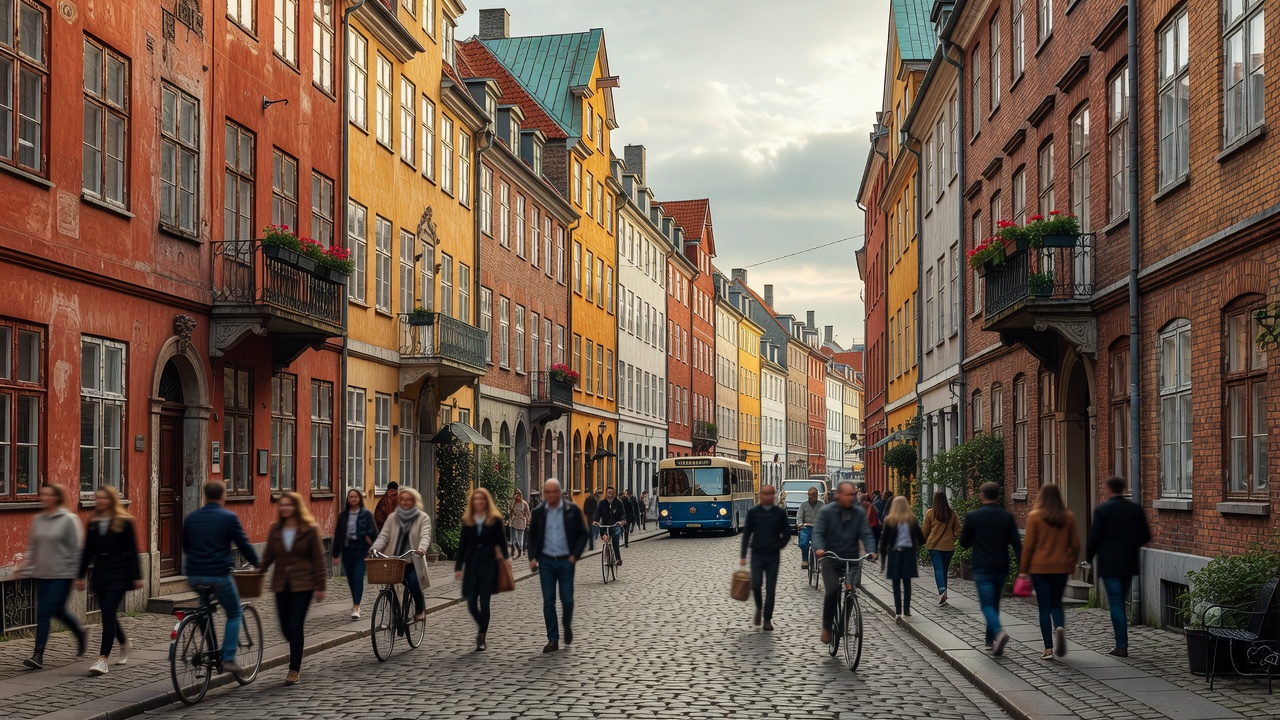
Scandinavian cities are often discussed as if they shared one restaurant scene. They do not. Geography, population, migration, local traditions and the shape of each urban center influence how people eat. A useful city guide therefore looks beyond headline venues to the places where daily life and food meet.
Copenhagen: a compact, outward-looking table
Copenhagen’s food culture spans refined contemporary dining, casual neighborhood rooms, bakeries and market-style eating. Its compact center makes it possible to move between different kinds of meals on foot or by bicycle, while districts across the harbor and beyond offer their own pace. Modern Nordic ideas are part of the city’s international identity, but they sit beside familiar Danish foodways, immigrant cuisines and everyday café culture.
For travelers, the interesting question is not simply where to book. Consider what kind of day you want: a long lunch, a quick pastry, a low-key evening or an occasion built around a tasting format. A neighborhood walk can reveal how all of these coexist.
Stockholm: islands, districts and changing seasons
Stockholm’s geography gives its food culture a relationship with water and distinct urban districts. The city is not one continuous dining strip; each area has its own combination of residential streets, cultural destinations and places to eat. Visitors might balance a meal with a walk through a market, a waterfront route or a museum district, while allowing time for fika—the Swedish pause for coffee and something sweet.
Restaurant choices range from contemporary kitchens to traditional dining rooms and informal cafés. Seasonal ingredients matter, but so does the city’s international outlook. A good itinerary leaves room for both a planned meal and an unplanned stop.
Oslo: a capital close to landscape
Oslo’s urban dining conversation sits close to the fjord and the wider Norwegian landscape. Seafood is part of a broad culinary vocabulary, not a complete definition of it. The city’s restaurant culture also includes modern neighborhood dining, bakeries, coffee spaces and food halls. Its districts are connected by public transport and walking routes, making a meal part of a larger city day rather than an isolated destination.
Look for menus and dining concepts that explain their approach to seasonality and sourcing without assuming that every restaurant follows the same model. Norway’s regional scale is substantial; food in the capital cannot stand in for every coastal or inland tradition.
Helsinki and Reykjavik: distinct northern perspectives
Helsinki’s food scene reflects Finnish ingredients and traditions alongside a contemporary, outward-facing city culture. Markets, cafés and restaurants offer different entry points, while design and public life shape how visitors experience the city. Finnish food should not be treated as a synonym for Swedish or Danish cooking: language, history, landscape and neighboring influences all contribute to its specificity.
Reykjavik is a small capital with a strong relationship to Iceland’s maritime setting and dramatic landscape. Its dining offer includes casual cafés and restaurants as well as more formal occasions. Local ingredients can be a point of discovery, but travelers should avoid assuming that a single menu represents Icelandic food in full. The island’s regional experiences and changing seasons extend well beyond the capital.
Aarhus and the value of looking beyond capitals
Aarhus, Gothenburg, Malmö, Bergen and Trondheim reward the visitor willing to look past capital-city shorthand. Each has a different relationship with coast, trade, campus life, local producers and nearby landscapes. Smaller scale does not mean a single style: neighborhood cafés, bakeries and contemporary restaurants contribute to a varied everyday scene.
Food tourism works best when it connects a meal with place. Walk a district, notice what is open at different times, and leave space for a bakery or coffee stop. Ask what the season means locally. A restaurant details page can change, so check the venue’s official source before visiting; this guide does not verify current hours, availability or menus.
What to look for
Notice the dining format, the rhythm of the neighborhood and the way a place relates to its surroundings. Is it designed for a quick coffee, a shared meal or an extended evening? Does the city’s waterfront, market culture or architecture shape the experience? These small observations make a city meal more memorable than a checklist.