Choosing the right occasion
Match the format to the day.
Travel plans often turn dining into a checklist. A more rewarding approach is to ask what kind of experience suits the moment. How much time do you have? Are you curious about a particular neighborhood, ingredient or style of hospitality? Would you rather linger or keep moving? Nordic cities offer many formats, and each carries a different social rhythm.
Fine dining and tasting-menu concepts
A fine-dining meal is usually designed as an occasion, with a sequence of courses and a strong sense of pacing. Contemporary Nordic restaurants may use seasonal ingredients, detailed presentation and carefully structured service, but formats vary. A tasting-menu concept can ask for a longer commitment than a casual meal, so read the venue’s official information before making plans.
Such dining is not automatically more “authentic” or more Nordic than everyday food. It is one expression of restaurant culture: often focused on technique, hospitality and a particular point of view. Travelers should consider whether the form suits their interests, appetite and schedule rather than treating it as a required badge of a city visit.
Neighborhood restaurants and contemporary bistros
A neighborhood restaurant can provide a more flexible window into daily city life. It may be a place for a spontaneous dinner, a meal with friends or a regular local routine. Contemporary bistros often sit between casual and formal, balancing a lively room with attentive cooking. The experience can depend as much on the district and service style as on the menu.
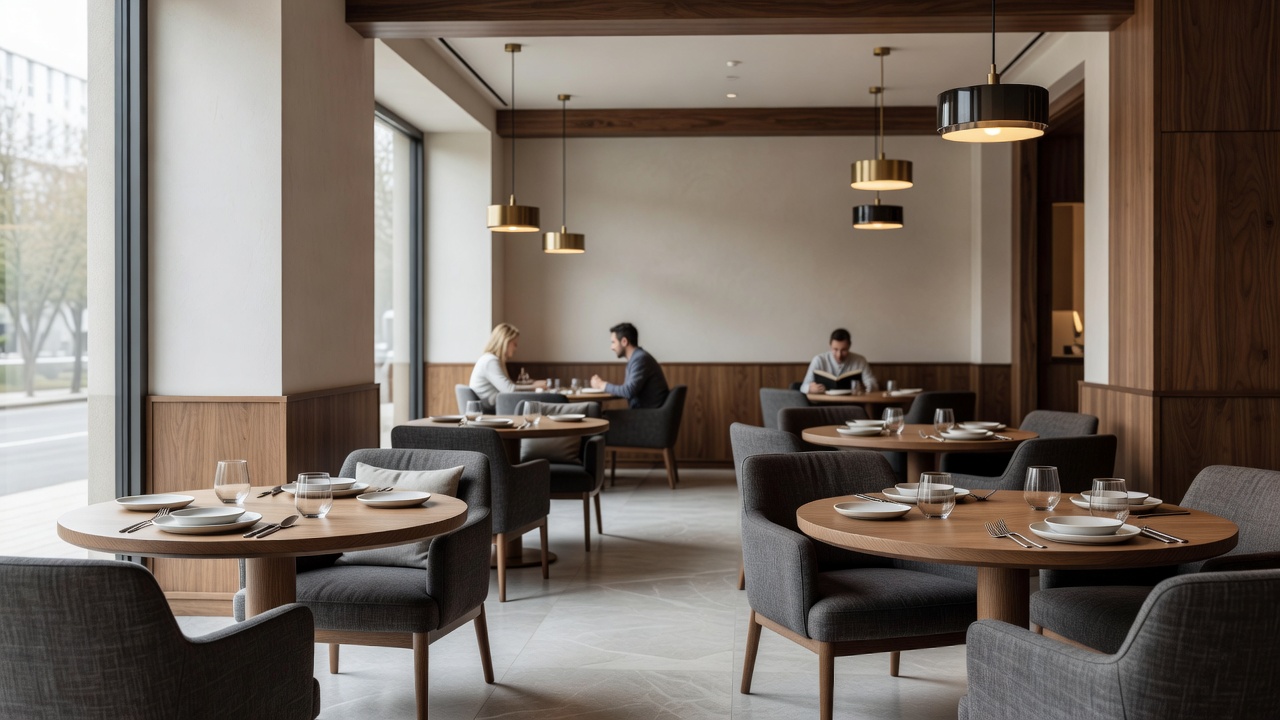
Look at how the restaurant presents its format. Does it encourage sharing, a quick meal or a longer evening? Is the room centered on conversation, an open kitchen or a busy bar? These cues help set expectations without relying on rankings or generalized claims.
Cafés, fika and bakery culture
Cafés and bakeries are essential to a rounded food itinerary. Coffee breaks offer a chance to pause between museums, streets and meals. In Sweden, fika describes a social coffee break, often accompanied by something baked; it is a familiar cultural reference, but it should not be reduced to a tourist ritual. Everyday café life is varied and personal.
Bakeries can show local habits through bread, pastries and the patterns of morning trade. A visit need not require prior research: observe what is displayed, what people take away and whether the room is designed for a quick stop or a longer sit. The most useful discovery may be a simple, well-made breakfast rather than a famous address.
Seafood restaurants, food halls and casual eating
Seafood restaurants can connect a meal with coastal food traditions, while city food halls bring multiple vendors and dining styles together under one roof. They can be useful for groups with different preferences or travelers who want to sample small portions. Food halls are not interchangeable, and the atmosphere may range from lively communal seating to a more market-like setting.
Casual eating also includes lunch counters, sandwich shops, coffee bars and everyday restaurants. These places may offer the most practical way to eat between activities. They help counter the idea that Nordic food culture consists only of formal tasting menus, and they make the daily texture of a city easier to experience.
Seasonal and destination dining
Some restaurant experiences are closely tied to landscape, travel distance or a particular occasion. A destination restaurant may be part of a countryside stay or a coastal itinerary; a seasonal concept may shift with the ingredients available at different times of year. These formats can be meaningful, but they call for more planning than a city lunch.
Before traveling, check official venue sources for current opening details, booking requirements, accessibility information and the nature of the experience. This publication does not confirm current availability, menus or prices. Where a place is remote, consider transport and return plans independently rather than assuming a restaurant visit is a simple detour.
A practical comparison
Short, casual stop
Good for: A flexible day, coffee, a quick lunch or a bakery visit. Atmosphere: Informal and connected to neighborhood routines. Planning: Usually easier to fit between activities, though current service details still need checking.
Long-form restaurant meal
Good for: An evening with time set aside for the food and room. Atmosphere: More structured, from lively bistro to quiet tasting format. Planning: Read the venue’s own guidance and allow a generous travel and dining window.
What to look for when planning
Start with the occasion, then consider location, pace, accessibility and how the meal fits into the day. Note whether the experience is intended to be quick or extended. Think about the group: a food hall may suit different tastes, while a quieter dining room might better support conversation. Look beyond prestige to the experience you actually want.
Above all, keep room for the ordinary pleasures of eating: fresh bread, a good coffee, a shared plate or a walk that ends somewhere unexpected. These moments are not lesser versions of destination dining. They are part of the region’s living food culture.